

Ever wish you could torch fat, build muscle, and even gain stamina in half the time you would with a regular workout? Metabolic Resistance Training (MRT) are short, intense circuits that burn fat like cardio while sculpting lean muscle. All while elevating your metabolism for hours after you finish.
Why Metabolic Resistance Training? Because it hits all your goals at once. Torches fat, keeps and can even build lean muscle, and boosts your metabolism for hours after. All in 30 minutes or less.
But most people are doing Metabolic Resistance Training incorrectly. They try to do it every day but burn out, or they’re pushing it too hard and feel nauseous halfway through, giving up. You don’t want to waste your time and effort doing something that doesn’t get results.
This is the ultimate guide to Metabolic Resistance Training. You’ll discover exactly what it is, why it works, the benefits, how to structure workouts (beginners included), how often to do them, best exercises, and how to avoid mistakes that leave people feeling wiped out or frustrated.
What is Metabolic Resistance Training
Key Takeaways:
Metabolic Resistance Training (MRT) combines compound movements or multi-joint exercises with minimal rest intervals to simultaneously challenge muscular strength and cardiovascular capacity.
This forces your body’s energy systems (phosphagen, glycolytic, and oxidative) to work harder during the session and possibly for a long time after it ends.
MRT combines strength training with cardio-style intensity, utilizing circuits, brief rest periods, and heavy compound lifts. This maximizes calorie burn, preserves and even builds lean muscle, and increases stamina.
Performing these resistance exercises in a circuit format with short rest periods (under 30 seconds) activates multiple muscle groups while keeping your heart rate elevated at 70-85% maximum. This dual metabolic demand stimulates both your anaerobic and aerobic energy pathways, creating the Afterburn Effect (aka EPOC the excess post-oxygen calorie consumption) that can boost calorie burn for 12-24 hours post-workout.
MRT workouts can cause high muscular fatigue, also known as a “burn,” which is due to lactate buildup and triggers the release of anabolic hormones, such as growth hormone, testosterone, and insulin-like growth factor 1 (IGF-1). These hormones support muscle protein synthesis, increase fat oxidation, and elevate the metabolic rate for hours after exercise.1
This style of working out is the cornerstone of my fat-loss training programs. When done right, these workouts only take 20-30 minutes, making them perfect for those low on time but want fast results.
MRT vs HIIT vs Traditional Weight Training
Key Takeaways:
If your primary goal is to burn fat, keep/build muscle, and boost stamina, MRT (HIIT-style circuits with weights) is your best bet. If you want to maximize muscle size and strength, then go with traditional weightlifting. If you’re short on time and mainly want cardio conditioning and calorie burn, then HIIT works.
The fundamental difference between metabolic resistance training and traditional weight training lies in their structural design and primary objectives.
Traditional strength training prioritizes muscular hypertrophy (growth), maximal strength development, and progressive overload through body part splits. This can be anything from chest and triceps to back and biceps or leg-focused workout sessions.
Conventional weight training uses rest intervals ranging from 60 seconds to 5 minutes between sets. This allows for complete phosphocreatine replenishment and lets you maintain intensity throughout your lifting sessions. This style of weight training isolates specific muscle groups and movement patterns within a single training session.
MRT focuses on rapid fat oxidation (fat burning), higher calorie expenditure, and higher metabolic elevation through full-body circuit training and compound movement sequences. MRT is closely related to metabolic conditioning (MetCon), a broader term for workouts that increase your metabolic rate. People often use the two terms interchangeably for metabolically high-intensity, low-rest workouts.
But MRT isn’t the same as HIIT, but they’re similar. High-intensity interval training (HIIT) involves all-out bursts of effort, followed by longer rest periods. MRT utilizes longer work intervals with shorter rest periods and includes resistance training to build muscle.
A randomized controlled trial in young women with overweight/obesity found that combining HIIT with resistance work (3×/week for 8 weeks) produced greater gains in VO₂peak, lung capacity, oxygen pulse, and muscle mass. And uniquely improved 2-hour post-meal glucose, compared with HIIT alone.2
Traditional weightlifting remains valuable for building strength, supporting muscle retention, and promoting hypertrophy (muscle growth), and can also enhance MRT workout sessions.
MRT should be prioritized if fat loss is your goal and you want to maximize your results in the shortest time. But you can also implement heavy strength training with traditional weightlifting in between MRT sessions.
Benefits of Metabolic Resistance Training
Maximizes Fat Oxidation & Calorie Expenditure
MRT delivers superior fat loss through dual-phase energy expenditure, which includes immediate calorie burning during training sessions and sustained metabolic elevation through excess post-exercise oxygen consumption (EPOC).
A 1994 study published in Metabolism found that high-intensity resistance training resulted in up to 9x greater fat loss compared to steady-state aerobic exercise, after adjusting for energy expenditure.3
A 2023 clinical trial published in Sports (Basel) found that four weeks of moderate-intensity resistance training significantly reduced body fat, lowered BMI, and improved adipokine levels (higher adiponectin, lower leptin) in obese young women. This shows MRT supports fat loss but also improves metabolic health.4
Keeps & Increases Lean Muscle Mass
MRT can maintain and even increase lean body muscle mass during calorie restriction through resistance-based muscle stimulus. This muscle preservation helps prevent metabolic downregulation (slower metabolism) that can usually happen with traditional dieting, including muscle catabolism (breakdown).
A 2006 review published in the Journal of Sports Sciences found that higher-intensity exercise leads to greater EPOC. They reported prolonged elevations in metabolism lasting between 3-24 hours, depending on the workout’s intensity and duration. But it should be noted that EPOC may only account for 6-15% of the exercise’s total calorie burn.5
Enhanced “Metabolic Disturbance” & EPOC
The combination of compound movements, short rest periods, and circuit-style progression creates a high metabolic disturbance, which requires longer recovery times. This “afterburn effect” elevates oxygen consumption, fat oxidation, and calorie expenditure for 24-48 hours post-exercise.
A 2002 clinical trial published in the European Journal of Applied Physiology found that a single 31-minute session of heavy, full-body resistance training significantly elevated metabolism for up to 38 hours after exercise.6
The greater the metabolic disturbance, the greater the afterburn effect.
Time Efficient Workouts
Traditional programs like weight training and cardio, but MRT does both at once. By using compound lifts in a circuit format with short rest periods, you can get the same calorie burn in 20-30 minutes. You’ll train every muscle, elevate your metabolism, and burn as many calories as most people do in an hour on the treadmill.
Most people don’t have hours to spare for daily training. MRT is designed to deliver the biggest fat loss return in the least amount of time. So if fat loss is your goal and you’re short on time, then MRT will be the best bang for your buck.
MRT workouts are shorter, harder, but more effective.
Improves Cardio, Endurance & Stamina
Metabolic Resistance Training keeps the heart rate elevated by combining both strength exercises in circuits with short rests. This works both your muscular and cardiovascular systems at the same time.
This mimics interval training and Tabata-style workouts. So you can get cardio conditioning equal to or even superior to traditional endurance work, but in less time.
A 2025 systematic review and meta-analysis in Frontiers in Physiology found that metabolic resistance training significantly improved sprint speed and jump height, outperforming traditional cardio with the best results seen at ≤2 sessions per week in trained young adults.7
A 1996 study published in Medicine & Science in Sports & Exercise found that 6 weeks of “Tabata-style” intervals (20 seconds all-out, 10 seconds rest) improved VO₂max by 7 ml·kg⁻¹·min⁻¹ and boosted anaerobic capacity by 28%.8
How to Start Metabolic Resistance Training (Workout Structure & Frequency)
MRT is different than than regular workouts. The key is knowing how to structure your workouts so you can maximize fat loss and muscle gain without sacrificing technique. Whether you’re a beginner learning the basics or advanced and ready to push the intensity, use this guide to unlock the fat burning, muscle sculpting benefits of MRT safely and effectively.
Learn the Basics
If you’re a beginner, it’s essential to learn proper exercise mechanics over a period of 2-4 weeks to establish a solid foundation. Work on perfecting compound movements, such as bodyweight squats, push-ups, and planks, before progressing to higher-intensity metabolic circuits.
MRT involves short rest periods and a high heart rate, which can worsen exercise technique as you become more fatigued. Therefore, it’s essential to master fundamental motor patterns, including neutral spine alignment, controlled tempo, and a full range of motion, to prevent injuries.
Beginners should start with longer rest periods of 60-90 seconds, and lower work periods of 20-30 seconds per set. Gradually progress to MRT methods using 30-45 second work periods and 15-30 second rest periods as your neuromuscular adaptation and cardiovascular conditioning improve.
Workout Structure
MRT uses full-body compound movements in an alternating circuit format. These exercises are organized into paired sequences, alternating between upper body/lower body exercises, as well as push/pull exercises. This allows you to maintain training intensity while enabling partial muscle recovery.
MRT workouts usually use time-based sets (45 seconds work, 15 seconds rest) or density training (AMRAP for 10-15 minutes) rather than the usual repetition schemes. Progressive overload is doing more work in the same amount of time or adding load once volume improves by 20%.
Longer sets used in MRT creates metabolic stress due to high time under tension. Keeping your muscles working under load for longer burns more calories and elevates EPOC.
Keeping your muscles under load long enough creates a metabolic effect. Focus on the quality of your movements during exercises. Use a full range of motion for more time under tension.
Intensity & Pacing
High effort is essential for MRT workouts. The afterburn effect doesn’t come from easy work, but it is triggered by intensity. You should be using challenging weights that push you close to fatigue while still allowing proper form.
Exercises should be challenging and use maximal weight for the given rep range. This creates higher mechanical tension and muscle damage, which forces your body to keep/build muscle. Heavy lifting is a strong protector of muscle mass even during calorie restriction.
I recommend getting a set of adjustable dumbbells so you can quickly switch between weights (this adjustable dumbbell set is best for women). They’ll also spare you from having to buy heavier dumbbells down the line and won’t take up much space.
Rest periods are short. You’ll transition between exercises with only 15-30 seconds between moves. The rest between finishing each circuit is short, with only 60-90 seconds.
Your pace should keep your heart rate elevated throughout the entire workout session, blurring the lines between strength and cardio. Intensity isn’t just how heavy you lift, but it’s a combination of the load, speed, and minimal rest.
The pacing of MRT workouts is structured so that you’re constantly moving and always working, with just enough rest to maintain quality and effectiveness.
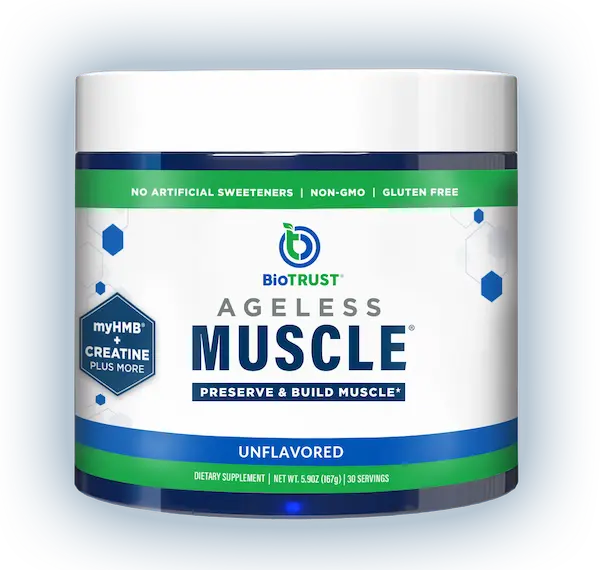
To get the most out of this kind of training, you need to fuel recovery and muscle preservation. I recommend using Ageless Muscle (with HMB, creatine, vitamin D, and betaine). It’s designed to help reduce soreness, preserve lean muscle, and speed up recovery.
Reverse Age-Related Muscle Loss with Ageless Muscle. Look & Feel As Fit & Strong In Your 40s, 50s, 60s & Beyond
- Reverses Age-Related Muscle Loss: Clinically studied myHMB promotes muscle protein synthesis and inhibits breakdown
- Skyrockets Strength & Size: Premium, micronized creatine fuels greater muscle power and performance
- Boosts Endurance & Recovery: Betaine supports cellular hydration for lasting stamina and faster post‑workout recovery
Workout Duration
Workout sessions should be around 20-40 minutes. MRT workouts are shorter but higher intensity, making them more efficient and creating the afterburn effect.
The intensity matters more than the duration. 30 minutes of quality work will give you better results than an hour of unfocused exercise. Marathon sessions should be avoided, as they can compromise the quality of your workout.
MRT workouts often add a “metabolic finisher” at the end. Tabata, sprints, jump squats, and swings are excellent ways to finish the workout and maximize EPOC to drive up fat loss.
Frequency
2-4 MRT workouts per week is ideal for creating a strong calorie demand, triggering the afterburn effect repeatedly, and allowing for recovery between intense sessions.
It’s not a good idea to do MRT every day, as it’s very demanding on the muscles, energy systems, and recovery. Doing it daily can risk overtraining, loss of intensity, and injury.
Once again, it’s about quality and intensity over quantity.
- Beginners: 2-3 MRT sessions/week (e.g., Mon, Wed, Fri).
- Intermediate/Advanced: Up to 4 MRT sessions/week (e.g., Mon, Wed, Fri, Sat/Sun).
- On other days: light cardio, traditional strength training, HIIT intervals, or active recovery (such as walking, mobility exercises, or yoga).
Best Exercises for Metabolic Resistance Training
Key Takeaways:
The most effective metabolic resistance training exercises are large, full-body movements. These exercises utilize a significant amount of muscle mass and can be loaded progressively while maintaining an elevated heart rate.
These exercises create maximum metabolic demand.
Full-Body Compound Movements
Compound movements engage multiple muscle groups and joints at once. They are ideal for fat loss because they engage the most muscles simultaneously.
The more muscles you move, the more calories you burn, the higher your heart rate goes, and the bigger the afterburn effect you’ll get.
- Squats
- Deadlifts
- Push-ups
- Pull-ups
- Lunges
- Step-ups
- Overhead Press
A 2024 randomized trial published in the European Journal of Sport Science found that 8 weeks of full-body resistance training resulted in significantly greater fat loss compared to a split-body routine, despite both groups completing the same total training volume.9
Explosive Plyometric Exercises
Explosive exercises are staples of fat loss workouts and are at the heart of metabolic training. They demand the most energy, use the most muscles, and create the biggest metabolic disturbance.
Combining explosive movements into MRT circuits maximizes your training efficiency. Together, they enhance strength development, cardiovascular conditioning, and fat oxidation in a short timeframe.
These exercises really crank up the intensity while improving athleticism and power:
- Kettlebell Swings
- Jump Squats
- Box Jumps
- Dumbbell or Barbell Cleans & Snatches
- Mountain Climbers
- Burpees
- Battle Rope waves/slams
- Jump Rope
- Dumbbell Thrusters
- Medicine Ball throws/slams
These explosive exercises can also be scaled across fitness levels due to their programming versatility. Beginners can start with bodyweight squats, modified mountain climbers, and step-back burpees instead.
A 2024 clinical trial published in the Journal of Obesity & Metabolic Health found that adding plyometric drills (like jumps and medicine ball throws) to a 12-week HIIT program led to greater fat loss, lean mass gains, and improved insulin sensitivity in obese adolescent girls compared to HIIT alone.10
Bodyweight vs Weighted
You don’t need fancy equipment to burn fat with MRT workouts. Bodyweight alone can deliver an incredible metabolic effect if the intensity is high enough.
Push-ups, burpees, lunges, mountain climbers, planks, and jump squats are all bodyweight staple exercises and MRT workouts, especially for beginners working out.
If you only have bodyweight, then go hard with shorter rests and string exercises together. Use equipment if you have it for progressive overload to drive fat loss and muscle retention. It isn’t so much about the tools used but about the intensity.
Adding equipment allows you to add load to the exercise, amplifying your results. Weights let you increase the metabolic demand in exercises even more. The external resistance will recruit more muscle fibers and create a bigger afterburn effect.
Dumbbells, kettlebells, and barbells allow you to progress beyond bodyweight limits to build strength and drive higher calorie burn. You can mix in both bodyweight and weighted exercises in the same workout.
Dumbbells & Kettlebells: Best all-around for MRT. Versatile for squats, swings, presses, rows, and lunges.
Barbells/Complexes: Great for advanced lifters. Stringing moves together (deadlift → row → clean → press → squat) keeps your whole body working under load.
Medicine Balls: Can be used for slamming, throwing, and rotational core work for power and core strength.
Resistance Bands & TRX: Useful for travel or variety. But I prefer free weights when available for greater loading.
Master List of Metabolic Resistance Training Exercises
Squat / Lower Body Push
- Bodyweight Squat / Jump Squat
- Dumbbell Goblet Squat
- Barbell Front / Back Squat
- Bulgarian Split Squat
- Step-ups (weighted or bodyweight)
- Thrusters (squat + overhead press)
Hip Hinge / Posterior Chain
- Deadlifts (barbell, dumbbell, kettlebell)
- Romanian Deadlifts (RDL)
- Single-leg Deadlifts
- Kettlebell Swings
- Hip Thrusts
Upper Body Push
- Push-ups (standard, incline, T-push-up)
- Dumbbell/Barbell Bench Press
- Overhead Press (standing preferred)
- Dumbbell Thrusters
Upper Body Pull
- Pull-ups / Chin-ups (weighted or assisted)
- Inverted Rows / TRX Rows
- Dumbbell / Barbell Rows
- Renegade Rows (Plank Rows)
Lunge / Split-Leg
- Forward / Reverse Lunges
- Walking Lunges (with or without weights)
- Lateral Lunges
- Split Squats
Explosive / Power Moves
- Burpees (full or modified)
- Kettlebell / Dumbbell Snatches
- Dumbbell or Barbell Cleans
- Jump Squats / Box Jumps
- Medicine Ball Slams / Throws
- Mountain Climbers
Loaded Carries
- Farmer’s Walks
- Suitcase Carries (one side)
- Overhead Carries
- Front Rack Carries
Core Under Load (Anti-Movement)
- Plank Variations (plank row, shoulder taps)
- Rollouts (ab wheel, barbell)
- Pallof Presses
- Hanging Leg Raises
More MRT Exercises & Workout Styles:
Barbell or Dumbbell Complexes: String multiple lifts together (e.g., deadlift → row → clean → press → squat) without putting the weight down.
Density Circuits: AMRAP (as many rounds as possible) in 10–15 minutes.
Timed Intervals: 30–45s work / 15–30s rest, cycling through 4–6 moves.
Finishers: Short, brutal blocks (e.g., Tabata swings, burpees, sled pushes).
Metabolic Resistance Training Workout Routine
Order Instructions:
- A1 → A2 = a pair of exercises you do back-to-back. (Example: A1 Squat, A2 Row).
- After finishing A1 and A2, you rest briefly, then repeat for the prescribed sets.
- When you’re done with all the A-rounds, you move on to the B series (B1, B2), which is your next pair or circuit.
Tempo Instructions:
- You’ll see a 4-digit code like 2111. Each number tells you how many seconds to spend in each part of the rep:
- First number = how long to lower the weight (eccentric).
- Second number = pause at the bottom.
- Third number = how long to lift the weight (concentric).
- Fourth number = pause at the top.
- Example: 2111 = 2 seconds down, 1 second pause, 1 second up, 1 second pause.
MRT Workout 1
MRT Workout 2
MRT Workout 3
MRT Tips for Success & Safety
Prioritize Form Over Speed
MRT is only effective if you can sustain the intensity safely. Sloppy reps aren’t just dangerous, but they actually reduce metabolic demand because the muscles that are supposed to be targeted aren’t working efficiently.
The quality of each movement is essential, and it’s what drives progression. Once you’ve mastered the movement pattern, then you’ve earned the right to add load, speed, or rounds. Going faster doesn’t make it more metabolic. But load, density, and muscle recruitment do.
Full range of motion is non-negotiable. Cutting depth on squats or doing half push-ups when you’re tired reduces both muscle stimulation and calorie burn. Doing only half reps will only give you half the results.
MRT workouts often use timed sets, allowing you to pace yourself and avoid rushing just to “get the number.” In the MRT workouts above, you’ll notice that I’ve paired non-competing exercises (upper/lower, push/pull) so that fatigue doesn’t force form breakdown as quickly.
Listen to Your Body
MRT should be tough, but it shouldn’t be reckless. You should be pushing yourself, but also listen to your body. Consistency beats intensity.
MRT should feel hard, and if it’s easy, then you’re not doing it right. However, it’s essential to distinguish between training discomfort (such as muscle burn, heavy breathing, and fatigue) and injury warning signs (including sharp pain, dizziness, joint strain, and numbness).
If you’re feeling lightheaded or dizzy, then it’s best to stop and take a break. If the MRT workout is too intense, then you can increase rest periods and lower the workload.
The best MRT program is the one you can do consistently. It’s no good getting sidelined by injuries or never wanting to do these workouts again because they were too painful.
It’s better to do 90% the intensity today and come back in a day or two than it is to do 110% today and not be able to walk for a week. You don’t need to destroy yourself to get results. Just show up, train hard within your limits, and improve over time.
Recovery Is Key
You don’t get fitter during the workout, but you get fitter when you recover from the workout. MRT is so demanding that it can’t be done every day without diminishing returns.
Recovery isn’t optional, it’s part of the MRT program.
Follow the 2-4 MRT sessions per week rule (not 6-7x/week). The other days are for active recovery, light conditioning, or rest. It’s better to go hard 3x a week and recover than to go half-speed six times.
Overtraining is a risk with MRT because these workouts are intense. Doing them too often can spike cortisol, reduce workout intensity, and stall fat loss.
If you’ve plateaued, it could be because you’re doing too much rather than not doing enough. More isn’t better, better is better.
Active recovery can be walking, mobility drills, stretching, or light cardio on off-days. This aids blood flow and recovery without interfering with your body’s repair process.
Nutrition & Hydration
Fuel your body for success. MRT is intense, so under-eating (especially on protein) leads to poor recovery and loss of muscle.
MRT depletes glycogen and rapidly elevates core temperatures. Be sure to hydrate before, during, and after workout sessions. Aim for steady water intake throughout the day, rather than just chugging water around workouts.
A protein-forward diet, rich in vegetables and controlled in smart carbohydrates, is ideal for fat loss when combined with MRT workouts. Try to time carbs around training (before/after) for energy and replenishment. Avoid processed foods and excess sugars.
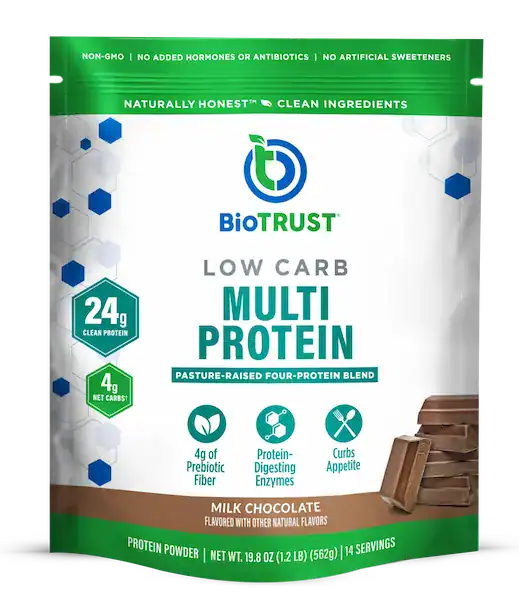
You can use my protein calculator to instantly determine your daily protein needs. If you struggle to meet your daily protein goals, consider using a low-carb protein shake for added convenience.
Finally, a Protein Powder Designed for those over 45... Only 150 calories, 4g net carbs, hormone & antibiotic-free. Supports lean muscle, weight loss & promotes healthy aging.
- 24g of clean protein for muscle health
- Fast digesting Whey for muscle support & slow digesting Casein for appetite control
- Four-Protein Time-Released Blend to keep you full and support weight management
- Natural ProHydrolase® enzymes to boost absorption
Quick Summary: The Bottom Line
- MRT Prioritizes Fat Loss Efficiency: MRT preserves muscle, improves conditioning, and creates a greater metabolic disturbance (EPOC) than steady-state cardio. Making it the most time-effective way to lose fat.
- Use Big, Full-Body Movements: Compound lifts (squats, lunges, presses, rows, deadlifts) recruit the most muscle mass, burn the most calories, and drive the afterburn effect.
- Train with Intensity, Not Duration: MRT sessions should be short (20-40 minutes of circuit training), intense, and efficient. Quality beats quantity
- Keep Rest Short and Structure Smart: Pair exercises (A1/A2, B1/B2) with minimal rest (15-30 seconds between moves, 60-90 seconds between rounds) to keep your heart rate up and metabolism elevated.
Check out my Flat Belly Formula program that uses MRT in its workout plan. You’ll get a full training program designed for fast fat loss in the shortest time. And you can do these workouts anywhere.
The breakthrough program designed to help you drop 10-30 pounds of excess stubborn fat, bloated water weight & "toxic waste" in a few short weeks.
- Drop 2 Jean Sizes in Less Than 2 Weeks
- Foolproof System to Get Rid of Thigh Fat, Hip Dips & Flabby Arms
- Flatten Your Belly and Lose Your Loves Handles Fast