

Picture this…
You’re eating cleaner than you have in years. You’ve cut the junk, you’re moving more, and you’re doing everything the internet told you to do.
But that belly? It’s not budging.
If that sounds familiar, then you’re not crazy… and you’re definitely not the only one. I see this all the time with clients in their 40s, 50s, and 60s. They’re putting in real effort. But the midsection just… stays put. It’s frustrating in a way that’s hard to describe, but it’s almost as if your body is working against you.
Here’s the thing most generic diet articles won’t tell you: belly fat in midlife isn’t just about eating less. It’s about what you eat and how it affects your hormones, your insulin sensitivity, and your body’s fat-burning environment. The old “eat less, move more” advice? For a lot of people over 40, that approach has completely stopped working.
And that’s not a willpower problem. It’s a biology problem.
After years of coaching clients through real fat loss (not crash diets but actual lasting results), I’ve seen which foods consistently move the needle. And which ones quietly sabotage everything you’re working for.
In this article, I’m going to break down the best belly fat burning foods that actually work, why they work, and exactly how to use them to start shifting that stubborn midsection for good.
Why Belly Fat Is So Hard to Lose (And Why Food Matters Most)
You’ve been eating less. Moving more. Maybe even cutting carbs.
But the belly is still there. Still stubborn. And still making you feel like your body is working against you.
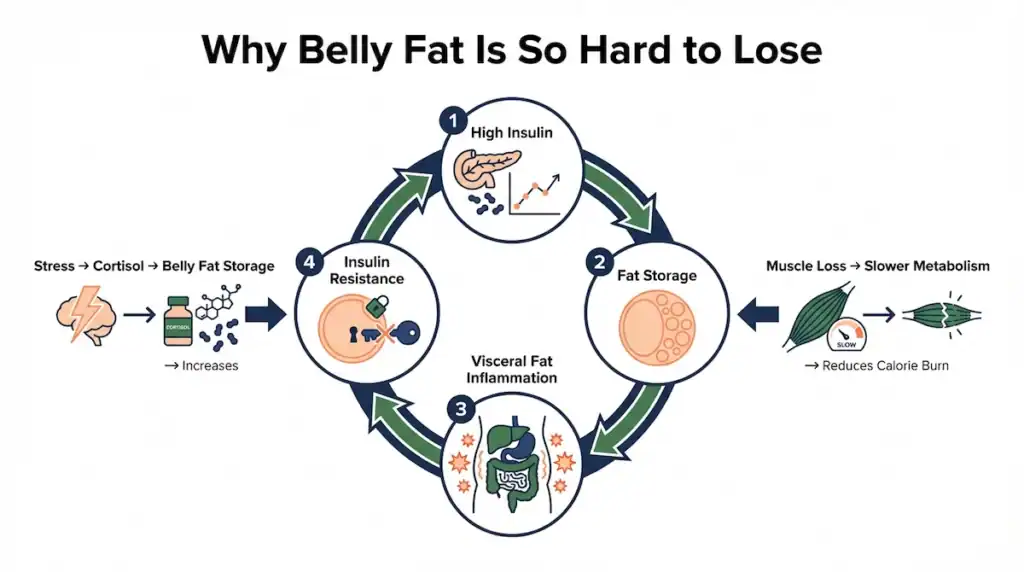
Here’s what nobody tells you: belly fat isn’t just stored energy sitting around waiting to be burned off. It’s an active biological system… and it’s rigged against the conventional approach.
There Are Two Kinds of Belly Fat (One Is Playing Dirty)
The soft, pinchable layer just under your skin is called subcutaneous fat. Annoying, yes, but largely harmless.
The real problem is visceral fat. This is the deep, firm tissue that’s packed around your liver, pancreas, and intestines. This fat behaves like a rogue endocrine disruptor.
It pumps out inflammatory proteins and hormones that wreck your insulin sensitivity, drive inflammation, and keep your hormones in a state of chaos.
In a 2007 study in Diabetes, scientists found that belly fat around the organs releases inflammatory signals into the liver’s blood supply, which was closely linked with higher markers of whole‑body inflammation.1
That’s not a storage problem, but it’s a hormonal siege.
Your Hormones Are Running the Show (Not Your Willpower)
Three hormones determine whether your belly grows or shrinks:
- Insulin: Eat too many processed carbs and sugars, and your body constantly cranks out insulin. High insulin locks body fat in place. It’s biomechanically impossible to burn stored fat when insulin stays elevated.2
- Cortisol: Chronic stress or poor sleep keeps cortisol high. Cortisol doesn’t just raise insulin, but it specifically redirects fat storage straight to your midsection.3,4
- Estrogen (for women): Estrogen naturally distributes fat away from your waist. After menopause, estrogen drops sharply. And fat migrates directly to the belly.5
This is why women often describe menopause belly as feeling like a betrayal. Because biologically, it kind of is.
The “Slow Metabolism” Myth… Busted
Your metabolism doesn’t actually slow down with age. Between 20 and 60, your basal metabolic rate stays stable. This is as long as you keep your muscle mass.6
The real culprit is sarcopenia. This is age-related muscle loss driven by inactivity and poor diet. Beyond age 30, you’ll lose roughly 6 pounds of muscle per decade without resistance training.
In a 2014 review of muscle tissue changes with aging, researchers summarized that muscle mass decreases roughly 3–8% per decade after age 30, with inactivity and lack of resistance training accelerating this loss. This translates to approximately 4–6 pounds of muscle lost per decade in the average adult.7
Since muscle tissue is your body’s primary glucose sponge and calorie furnace, less muscle means you’ll gain fat eating the same food you always did.
Why Running More Won’t Fix This
There are hidden downsides and side effects to exercise. And one of those is your body compensating for exercise.
Research shows that the average person subconsciously reduces their NEAT (non-exercise activity thermogenesis), such as fidgeting and casual movement, to offset about 28% of the calories burned during workouts. Your brain is secretly dialing back activity for the rest of the day.8
And worse, chronic cardio can spike cortisol. This signals your body to shed metabolically expensive muscle and hoard fat as a fuel reserve. That’s the “skinny fat” trap… smaller arms, softer everywhere, and belly still intact.
In a 2012 study published in Psychoneuroendocrinology, researchers found that endurance athletes with higher training volumes had significantly elevated hair cortisol concentrations. This suggests that chronic, high‑volume cardio can keep cortisol elevated over time.9
The Truth About “Belly Fat Burning Foods” (They Don’t Burn Fat — But Here’s What They Actually Do)
Let’s kill off this myth right now.
No food directly burns belly fat. Not grapefruit. Not apple cider vinegar. Not that “detox smoothie” your coworker won’t stop talking about.
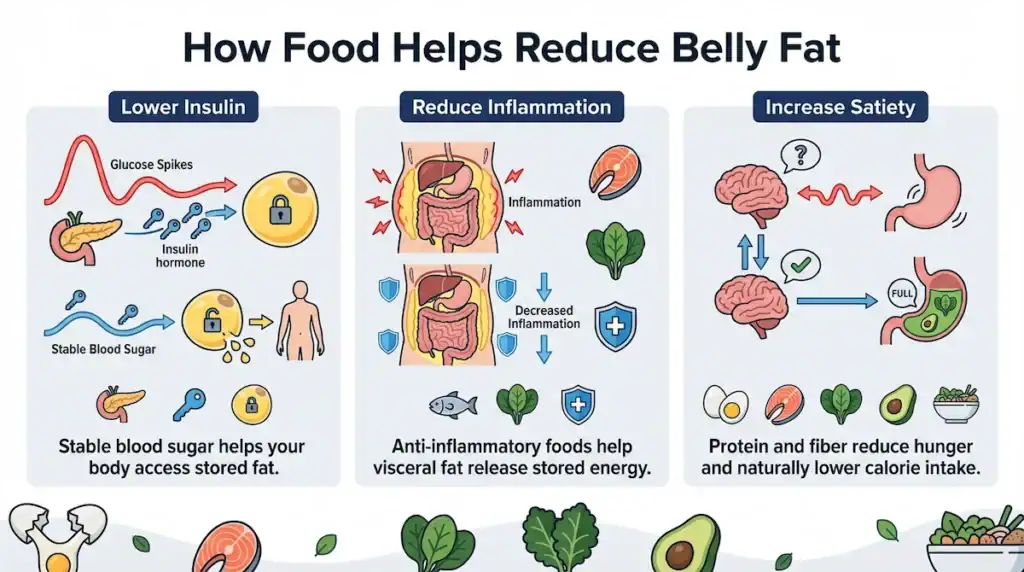
But here’s what is true: the foods you eat profoundly control whether your body stores fat or releases it. That distinction matters more than most people realize.
It Comes Down to Three Mechanisms
Insulin response. When you processed carbs and sugars, your body floods the bloodstream with insulin. Insulin is a storage hormone. Its presence biochemically locks belly fat in place. You can’t burn what you cannot access.
Inflammation. Visceral fat isn’t passive. It actively secretes inflammatory proteins that make your fat cells resistant to releasing stored fat. Foods that drive inflammation (especially industrial seed oils like canola, corn, and soy) pour fuel on that fire.
Hunger and calorie intake. In a 2001 review published in Nutrition Reviews, researchers analyzed multiple ad‑libitum feeding studies and reported that consuming an extra 14 grams of fiber per day was associated with about a 10% reduction in calorie intake. This helps to explain why higher‑fiber diets tend to support weight loss.10
Protein triggers your body’s “protein leverage” drive. You stop eating since the biological threshold is met. These aren’t hacks. They’re the built-in appetite system that’s finally working for you.
Because visceral fat is highly metabolically active, your body can actually excrete it through your breath and urine faster than subcutaneous fat once you stop eating inflammatory foods that are causing it to accumulate.
In a 2014 article in The BMJ, researchers used basic chemistry to show that when stored fat is broken down, roughly 84% of the mass leaves the body as carbon dioxide through the breath and the remaining 16% is converted to water that is excreted in urine and other fluids.11
Fix the food environment. The belly fat follows.
13 Belly Fat Burning Foods That Help Reduce Stubborn Belly Fat
Eggs
Eggs are one of the most powerful belly fat-fighting foods you can eat. But not for the reason most people think.
A 2020 cross‑sectional study found that higher egg consumption was associated with lower odds of being overweight with excess body fat and central obesity in women.12
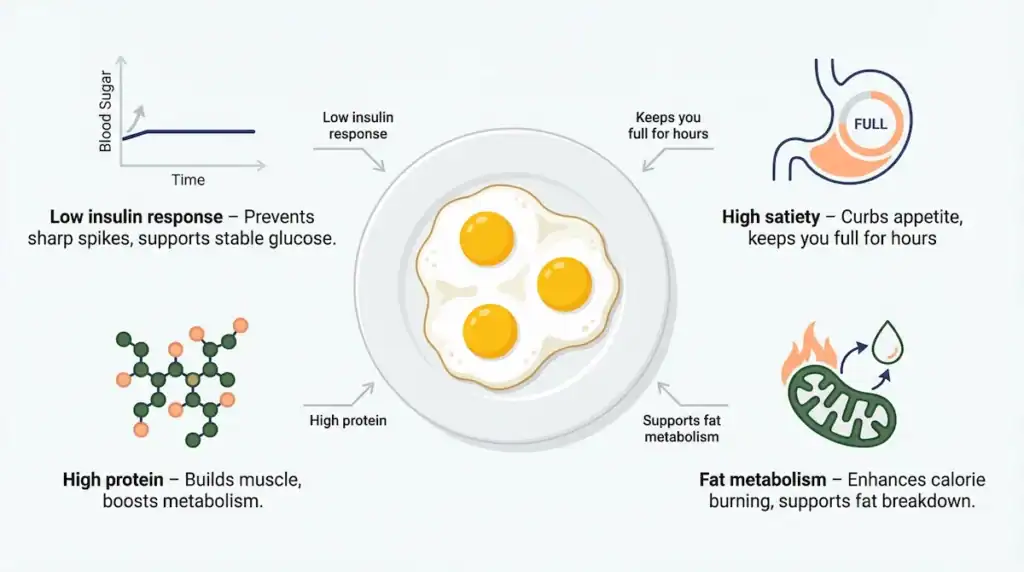
Eggs are essentially zero-carbohydrate. No carbs means no blood sugar spike. This means your insulin stays low.
And low insulin is the only state where your body can actually unlock and burn stored visceral fat. High insulin biochemically shuts that process down, full stop.
But its cholesterol is what separates eggs from other protein sources. It’s one of the most satiating chemicals in the edible world… like satiety on steroids.
Three or four eggs at breakfast triggers a fullness signal powerful enough to kill cravings for hours. This breaks the snacking cycle that quietly rebuilds belly fat every day.
Randomized trials show that a high‑protein egg breakfast makes people feel significantly fuller and eat fewer calories at lunch (and sometimes dinner) than after cereal or pastry breakfasts, suggesting that 3–4 eggs in the morning can meaningfully curb hunger for several hours.13
Egg yolks also pack choline. This is a nutrient your liver needs to metabolize fat. Plus, they contain lecithin, B12, vitamin D, and selenium. These aren’t bonus nutrients… but they’re cofactors for fat metabolism that most people are chronically short on.
How to eat them: Whole eggs only… never just whites. The yolk is where the metabolic magic lives. Pasture-raised when possible for higher omega-3 content. Aim for 3-4 eggs, cooked in butter or extra-virgin olive oil, as your first meal of the day.
Greek Yogurt
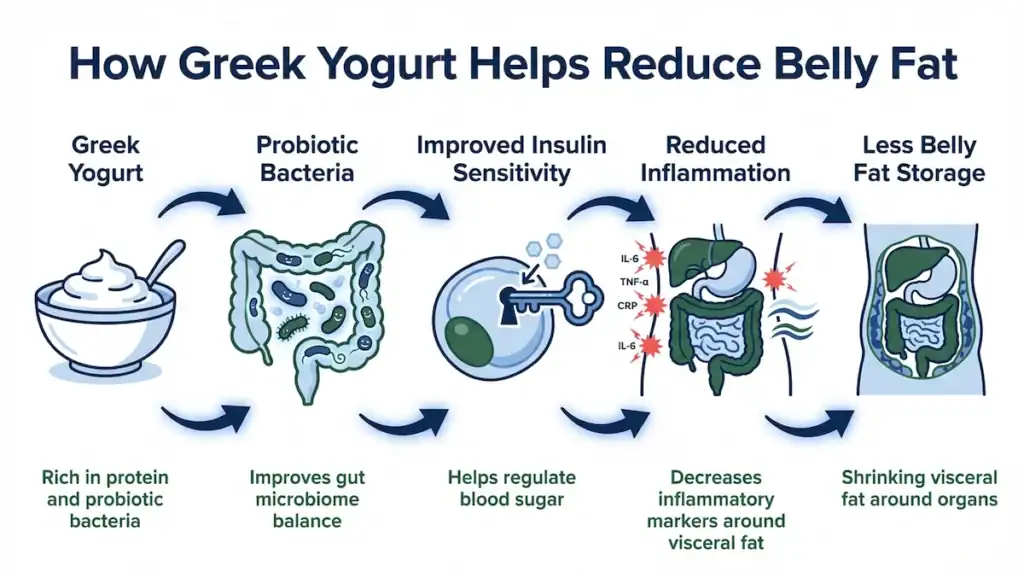
Most yogurt in the grocery store is modified ice cream with metabolism-wrecking sugars. It’ll spike your insulin and build belly fat, not burn it.
But plain full-fat Greek yogurt? Now that’s an entirely different animal.
Greek yogurt is a fermented food. During fermentation, bacteria consume most of the lactose, aka the milk sugar. What’s left is a low-glycemic, low-insulin food that keeps your fat-burning enzymes switched on rather than shutting them down.
The healthy dairy fat and protein deliver deep, lasting satiety. This is the kind that kills mid-afternoon cravings before they even start. And there’s no blood sugar crash. And there’s no “I’ll just have one handful” spiral.
It also promotes fat oxidation through calcium. Greek yogurt contains high levels of calcium, which are optimally absorbed. Calcium regulates enzyme activity and cell membrane function, which are needed to maintain high metabolism.
In a 2020 review on calcium and metabolism, researchers summarized that calcium ions allosterically activate key enzymes in the TCA cycle and oxidative phosphorylation, effectively tuning mitochondrial ATP production to match the cell’s energy needs.14
Most don’t know that specific probiotic strains in fermented yogurt (particularly Lactobacillus reuteri) have been shown to directly reduce visceral fat by improving insulin sensitivity and reducing systemic inflammation. Your gut microbiome isn’t just a digestive issue… it’s a belly fat issue too.15
How to eat it: Plain, full-fat only. If you can only find nonfat… then add raw nuts, coconut flakes, or a splash of heavy cream. Top with blueberries or raspberries for antioxidants.
Never flavored (flavored yogurts are loaded with sugar). Never low-fat. Dairy fat is an energizing, healthy fat.
Salmon
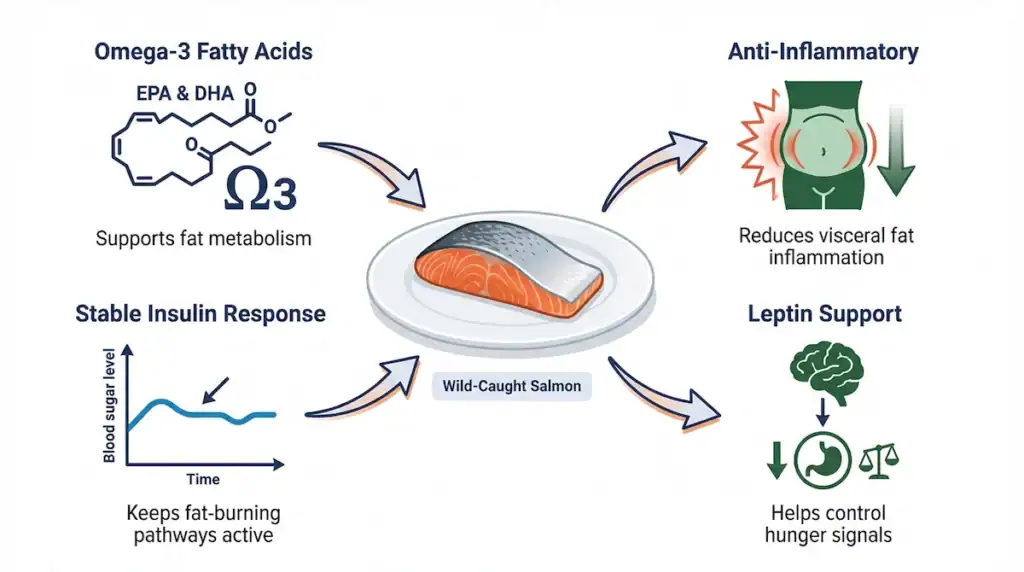
Wild-caught salmon is one of the most effective foods for targeting visceral fat. But most people are eating the wrong kind… and it’s actively working against them.
Salmon is pure protein and fat… zero carbohydrates. That means minimal insulin response, which keeps your fat-burning enzymes switched on.
The omega-3 fatty acids directly combat systemic inflammation, which makes visceral fat stubborn and resistant to release.
In a 2022 randomized trial published in eBioMedicine, researchers found that high‑dose omega‑3 supplementation (about 3.6 g/day) significantly reduced CRP over six months, providing direct evidence that omega‑3 fatty acids can lower systemic inflammation in humans.16
Salmon’s omega-3s also support healthy cell membrane integrity. Damaged omega-3 deficient membranes become metabolically inefficient. So energy slows down, and your metabolism goes with it. Salmon helps your cells burn fuel better.
Regular consumption of cold-water fatty fish, such as salmon, is associated with higher leptin levels. This is the hormone that signals to your brain your fat stores are full and keeps appetite in check.
In a 2014–2015 meta‑analysis published in Clinical Endocrinology, researchers found that marine omega‑3 fatty acids (from cold‑water fatty fish) significantly reduced leptin levels. This suggests that fish‑rich diets tend to lower, rather than raise, circulating leptin.17
But it must be wild-caught. Farmed Atlantic salmon (what most restaurants and supermarkets sell) is fed corn and soy pellets. This makes its fat highly inflammatory. That’s the opposite of what you want.
How to eat it: Wild-caught, skin-on when possible. Seasoned simply with lime, cumin, and extra virgin olive oil. Aim for 2-3 servings per week minimum.
Pure, potent omega‑3 support from wild, cold‑water sources—no fish burps.
- 1040 mg DHA per serving for brain, heart, eye, joint & immune health
- Natural triglyceride form for superior absorption
- AstaReal® Astaxanthin: one of nature’s most powerful antioxidants
- Small, easy‑to‑swallow softgels with zero fishy aftertaste

Green Bananas
Not all carbs spike insulin. Some do the opposite… and most people have never heard of them.
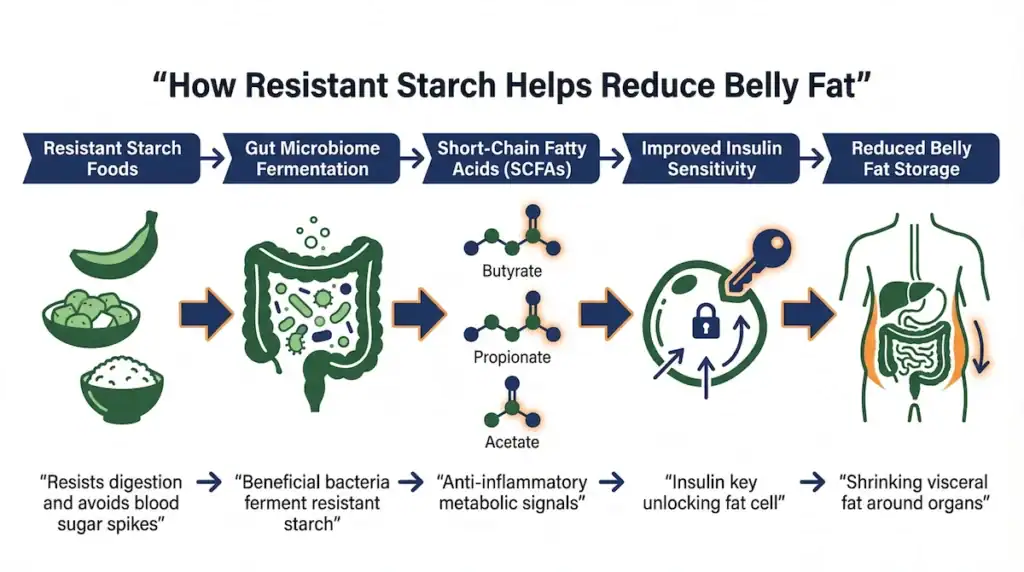
Resistant starches are found in green bananas, raw potato starch, and cooked and cooled rice or potatoes. They actually resist digestion in your small intestine. They pass through without breaking down into glucose, which means no blood sugar spike, no insulin storage, and no fat-storage signal.
In a 2019 study published in mBio, researchers found that a high‑resistant‑starch diet increased beneficial gut bacteria such as Faecalibacterium and Roseburia and raised fecal levels of the short‑chain fatty acids butyrate and propionate, demonstrating that resistant starch feeds bacteria that produce these metabolites.18
When resistant starch reaches your colon, gut bacteria ferment it into short-chain fatty acids (SCFAs)—specifically butyrate, propionate, and acetate. Butyrate reduces systemic inflammation and heals your gut lining. Propionate and acetate improve insulin sensitivity and directly inhibit your liver from converting glucose into new body fat.20
That’s your gut bacteria actively blocking fat storage. Most people have no idea that’s even possible through food.
But there’s a catch… and it’s a big one: preparation is everything.
A warm baked potato or ripe yellow banana is a high-glycemic carb bomb that will spike insulin and stall fat loss. Cooked and cooled potato or rice has an altered molecular structure. Use a low-carb rice cooker to make the rice.
The cooling process converts digestible starch into resistant starch. Green bananas only, not yellow. Same food, but a completely different metabolic effect.
Chilies & Hot Sauce
Most people are always thinking about what they’re eating… but almost nobody thinks about what they’re pouring on top of it.
And that’s a problem. Creamy dressings, barbecue sauce, and teriyaki are loaded with two things that lock belly fat in place: inflammatory seed oils and hidden sugars. Both spike insulin. Both shut down fat burning.
Hot sauce and chilies do the opposite.
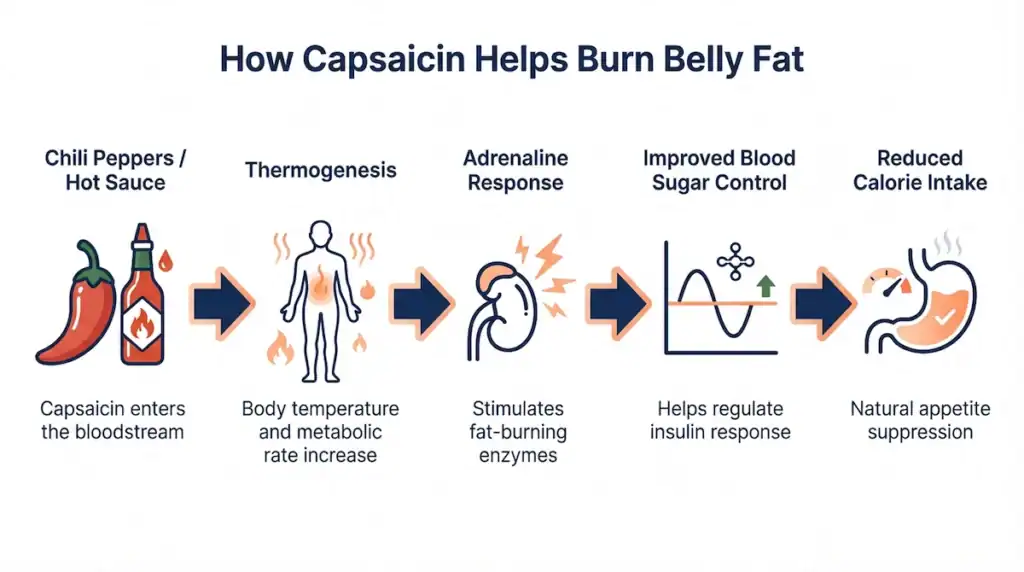
Capsaicin is the active compound in chili peppers that increases your body’s core temperature. They also trigger an adrenaline response that directly elevates metabolic rate.
In a 2011 review published in Obesity Reviews, researchers analyzed multiple human trials and found that capsaicin and related capsiate compounds increase resting energy expenditure and fat oxidation, demonstrating that capsaicin can boost metabolic rate and thermogenesis.19
It also increases the concentration of fat-metabolizing enzymes in the liver and helps control post-meal blood glucose levels. This keeps insulin levels low and fat-burning enzymes switched on.20
There’s a satiety switch here too. The mild oral discomfort from spicy food acts as a natural brake on overeating. So you slow down, eat less, and feel fuller faster.
Put hot sauce on eggs or grilled protein to compound the effect. Capsaicin, paired with adequate protein, amplifies the fat-burning response beyond just the food alone.
How to use it: Tabasco, crushed red pepper, Thai chilies, cayenne pepper, or salsa. Any hot sauce without added sugar or seed oils. Check the label. Most clean hot sauces have only three ingredients.
Flavor your food. Elevate your metabolism. Easy win.
Wild Blueberries
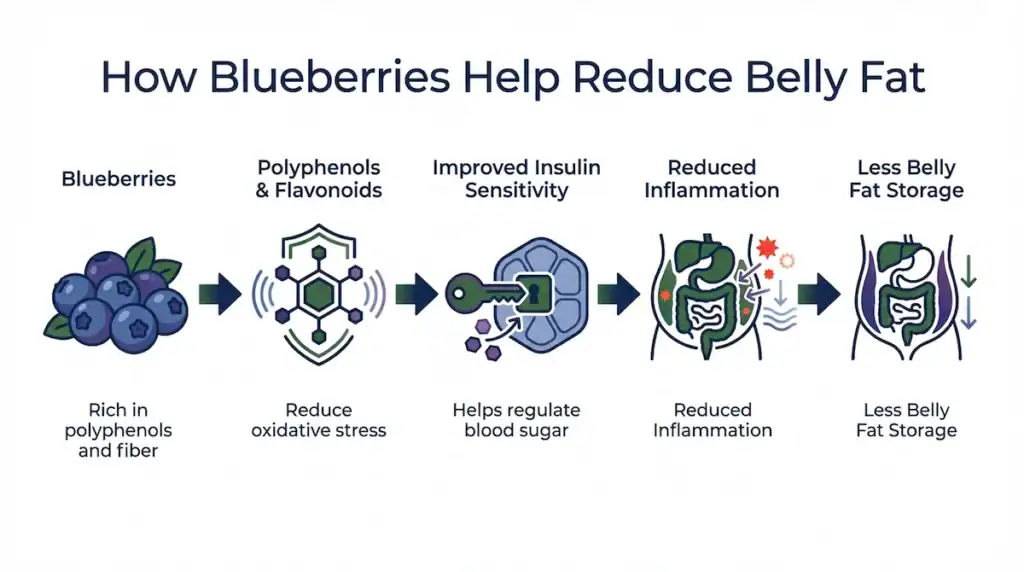
A lot of fruit can be a problem if you’re trying to lose belly fat. Modern cultivated fruit has been bred to be larger, sweeter, and way more insulin-spiking than nature intended.
Blueberries are the exception… but only if you eat them right. Cap intake at a quarter cup per day when actively targeting belly fat.
Blueberries are among the lowest glycemic fruits you can get. Low glycemic load means a controlled insulin response. This keeps your fat-burning enzymes active.
Their dense antioxidant and flavonoid content directly combats the chronic inflammation that makes visceral fat stubborn and resistant to release.21
At 4.2 grams of fiber per 100 calories, they also trigger SCFAs in the colon. These are the same gut-derived signals that suppress appetite and improve insulin sensitivity. And since they’re high in water volume, they activate gastric stretch receptors that signal fullness fast, but with only a few calories.
But most people get the timing and portion size wrong. The morning cortisol pulse creates an exaggerated insulin response to sweet carbohydrates. Blueberries are better later in the day (as dessert or yogurt topper), but not first thing at breakfast.
How to eat it: Add to plain full-fat Greek yogurt or overnight oats. Wild or frozen over fresh when possible. They have a higher antioxidant density and lower sugar. Always check dried blueberry labels for seed oil coatings.
Green Leafy Vegetables
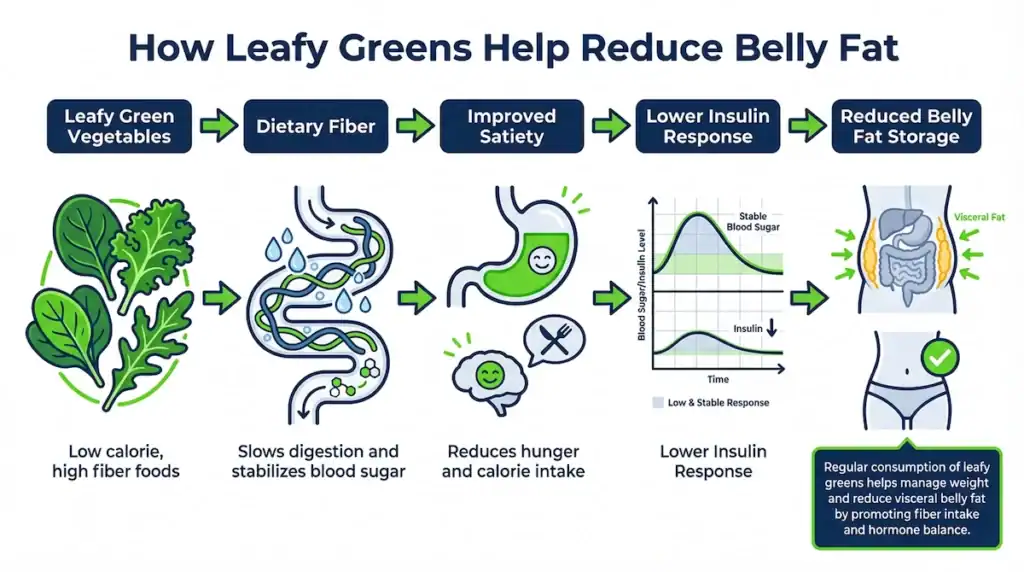
Most people eat a side salad and think they’re being good. But they have no idea what’s actually going on metabolically.
Green leafy vegetables like spinach, kale, arugula, and romaine are nearly carb-free. A full cup clocks in under 10 grams of carbohydrates. That means no meaningful insulin spike, so your fat-burning enzymes stay unlocked and active.
The mechanism runs deeper than just “low carb”…
The insoluble fiber in leafy greens gets fermented by gut bacteria into SFCAs—specifically acetate which directly inhibits your liver from converting glucose into fatty acids. Your liver is physically blocked from building new fat. That’s not a minor effect.22
Spinach and romaine also provide folate and iron, both essential for red blood cell development and oxygen delivery. Every fat-burning pathway in your body is oxygen-dependent. More oxygen delivery means higher caloric expenditure at rest.
The highly fibrous nature of leafy greens requires extra energy for your body to break down and digest. Experts agree that so much glucose energy is needed just to digest these veggies that eating them is a metabolic “wash.”
Because their caloric yield is so low, you can consume heaping satiating portions of them without ever maxing out your carbohydrate limits.
How to eat it: Heaping portions, cooked or raw, paired with healthy fat like extra virgin olive oil (or cook spinach with butter) at every meal. Think of them as a vehicle. Fat is the fuel.
If you’re worried about oxalates, you can blanch them. It’ll greatly reduce their oxalate content, making them easier to digest while preserving the vast majority of their nutrients. Can also then store them in the freezer.
Sauerkraut & Kimchi
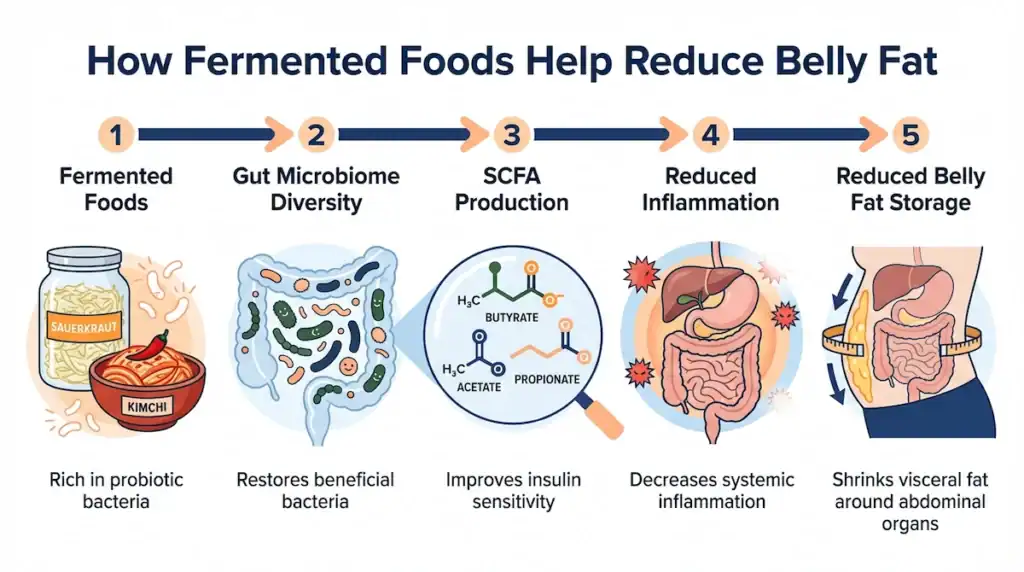
Your gut microbiome isn’t just a digestive issue, but it’s a belly fat issue.
A dysfunctional gut with low microbial diversity, chronic inflammation, and leaky gut is directly linked to obesity and insulin resistance. Sauerkraut and kimchi are two of the most potent foods available for rebuilding it.
During fermentation, bacteria consume the sugars in cabbage and leave behind an extremely low-carbohydrate food that won’t spike insulin. What you get instead is a dense delivery of live probiotic bacteria (specifically Lactobacillus paracasei) that produces an enzyme called lactocepin that actively dismantles the inflammatory signals keeping your fat cells locked shut.
60 grams of traditionally fermented sauerkrraut can contain more probiotics than eight full bottles of a commercial supplement.23
These same probiotics support SCFA production (especially butyrate), which improves insulin sensitivity and blocks your liver from converting excess glucose into new belly fat.
It must be raw and unpasteurized. Pasteurization kills the liver cultures. The jarred sauerkraut sitting on a regular grocery shelf is essentially dead cabbage. Look for refrigerated, lacto-fermented brands.
How to eat it: A few forkfuls alongside any protein-based meal. It pushes satiety off the charts and costs almost nothing.
Liver
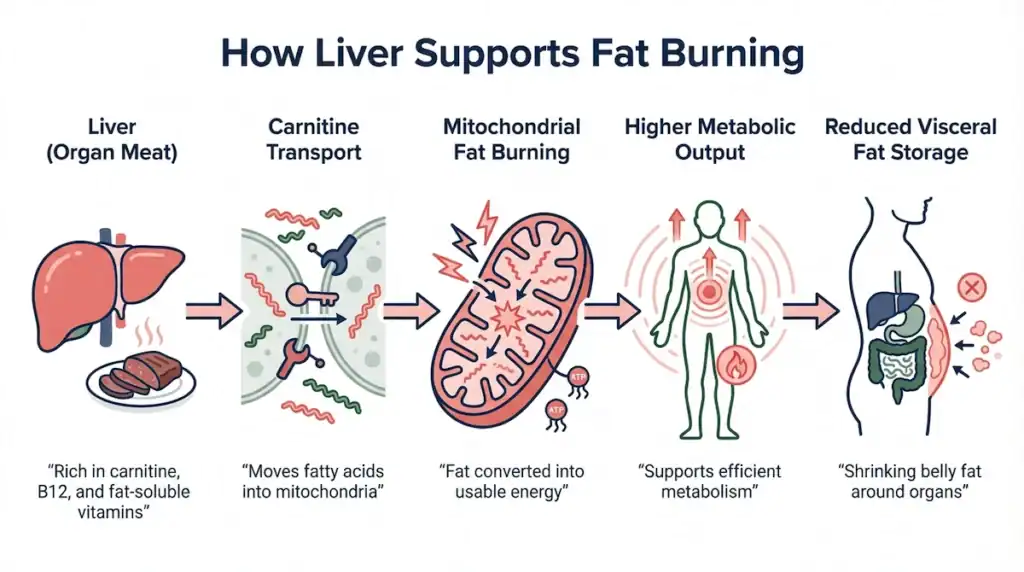
Liver is the food that the food industry forgot… and metabolically, there’s nothing that comes close.
Ounce for ounce, beef liver contains 17 times more B12 than ground beef. Plus retinol, carnitine, chromium, inositol, and a full payload of fat-soluble vitamins A, D, E, and K.24
This isn’t a superfood by marketing standards, but it’s a superfood by chemistry. Liver hits every lever that controls belly fat simultaneously. Zero carbohydrates means minimal (if any) insulin response. Fat-burning enzymes stay active.
The dense cholesterol content delivers “satiety on steroids” to keep hunger low for hours. And carnitine is one of the liver’s standout compounds as it directly transports fatty acids into your mitochondria to be burned for fuel.25
When you finally start burning stored visceral fat, the release of toxic compounds trapped inside that fat creates oxidative stress. The antioxidant nutrients in the liver (particularly retinol and B vitamins) protect your mitochondria during that process. It keeps your metabolism from stalling mid-burn.
Grass-fed or pasture-raised only. Organs concentrate whatever the animal was exposed to.
How to eat it: Start with 3-4 oz once or twice per week. Cook in butter, and add caramelized onions. If the taste is a barrier, chicken liver is milder than beef.
Coffee
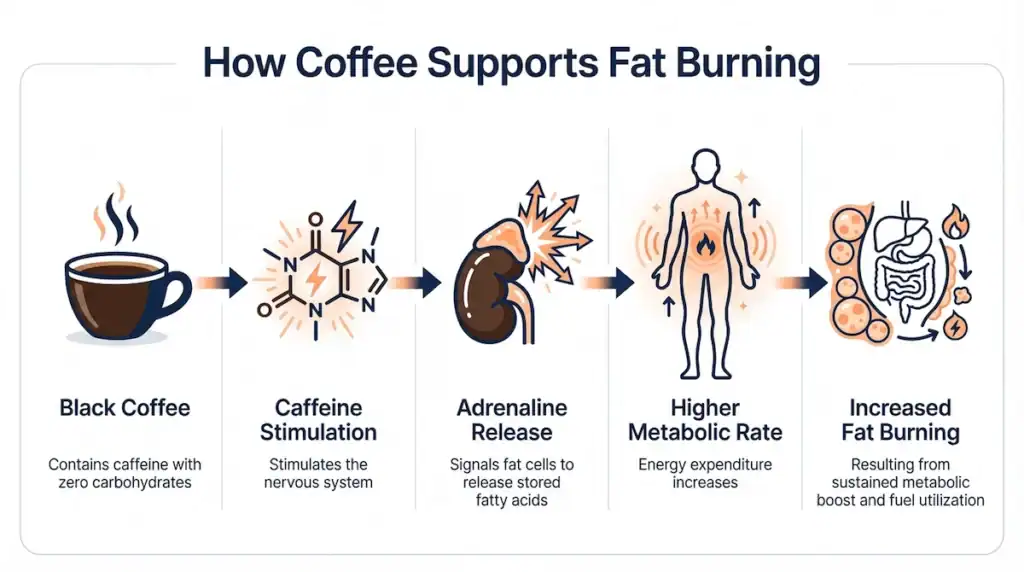
Most people are drinking coffee wrong, and they unknowingly sabotage their fat loss before the day even starts.
Black coffee is essentially zero carbohydrates and thus zero insulin response. This means that your fat-burning enzymes stay active, so every hour you extend your morning fast with black coffee instead of a carb-heavy breakfast, your body spends another hour burning stored belly fat for fuel.
The mechanism in coffee goes further than just fasting support…
Caffeine increases metabolic rate and energy expenditure by 10%. It inhibits the growth of new adipose cells and, when consumed 45 to 60 minutes before exercise, shifts your body toward burning fat rather than storing glycogen.26
In a 1986 study published in the American Journal of Clinical Nutrition, researchers found that 100 mg of caffeine increased resting metabolic rate by about 3–4%. With follow‑up work showing that higher doses can push the thermogenic boost close to about 10%.27
Be careful, though, since caffeine can directly stimulate your fight-or-flight nervous system. Use it as a crutch to mask poor sleep or chronic stress, and you’ll chronically elevate cortisol. This is the hormone that packs fat directly into your midsection.
1-2 cups per day, ideally waiting 1-2 hours after waking.
How to drink it: Black or with heavy cream, butter, or coconut milk. Add Ceylon cinnamon or a shot of apple cider vinegar to help stabilize blood sugar. Avoid anything from a drive-through menu since those drinks are insulin sugar bombs in a cup.
Trainer Josh Tip: Add a 100% C8 MCT oil or coffee creamer to your morning coffee while fasting. C8 MCTs are your body’s preferred source of MCTs, as it efficiently converts them into ketones.
So if you take it while fasting, it’ll help to kickstart the ketogenic process and then trigger elevated fat burning in your body.
Delivers 5g of pure C8-MCTs (the most ketogenic MCT) to naturally elevate ketone levels. Supports enhanced energy, mental clarity & appetite control — get the benefits of keto... without having to eat keto!
- Boosts Ketone Production: Supports elevated ketone levels without the need for carb restriction
- Enhances Energy & Focus: Provides quick, clean energy & promotes mental clarity
- Manages Appetite: Helps control cravings & supports healthy weight management

Avocado
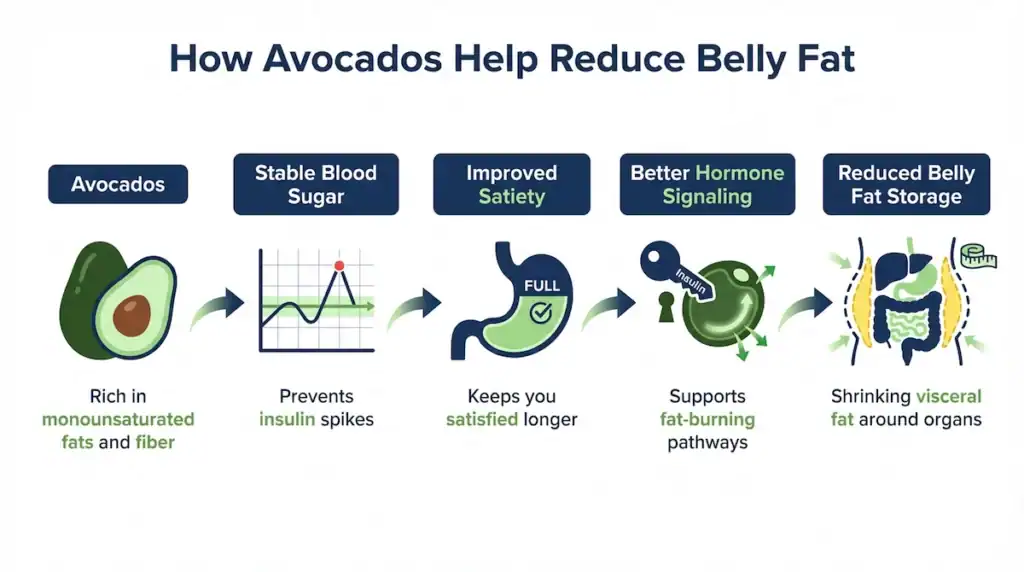
Avocados are technically a fruit. But metabolically, they act nothing like one.
Where most modern fruit is sugar-dense, insulin-spiking carbohydrate loads… avocados are composed almost entirely of stable monounsaturated fat. No blood sugar spike. No insulin surge. No fat-storage signal.
Monounsaturated fats are chemically stable, so your mitochondria burn them cleanly without generating oxidative stress. They also don’t cause cellular inflammation that damages metabolism and drives visceral fat buildup.
Mocados also deliver you carnitine, which is the cellular transport molecule that physically shuttles fatty acids into your mitochondria to be burned for fuel. More carnitine means more fat oxidation at rest and during exercise.
At 4.2 grams of fiber per 100 calories, avocados also trigger SCFA production in the gut. This is the same satiety and insulin-sensitizing signals we’ve covered with other high-fiber foods. Research shows they’re more satiating than oatmeal with a fraction of the insulin response.
Avocado and avocado oil mayonnaise are direct replacements for condiments and dressings secretly loaded with inflammatory seed oils. They have the same function but with zero metabolic damage.
How to eat it: Sliced on eggs or salad, blended into smoothies, or used as a spread instead of seed oil-based condiments. Half to one whole avocado per day is the sweet spot.
Canned Sardines
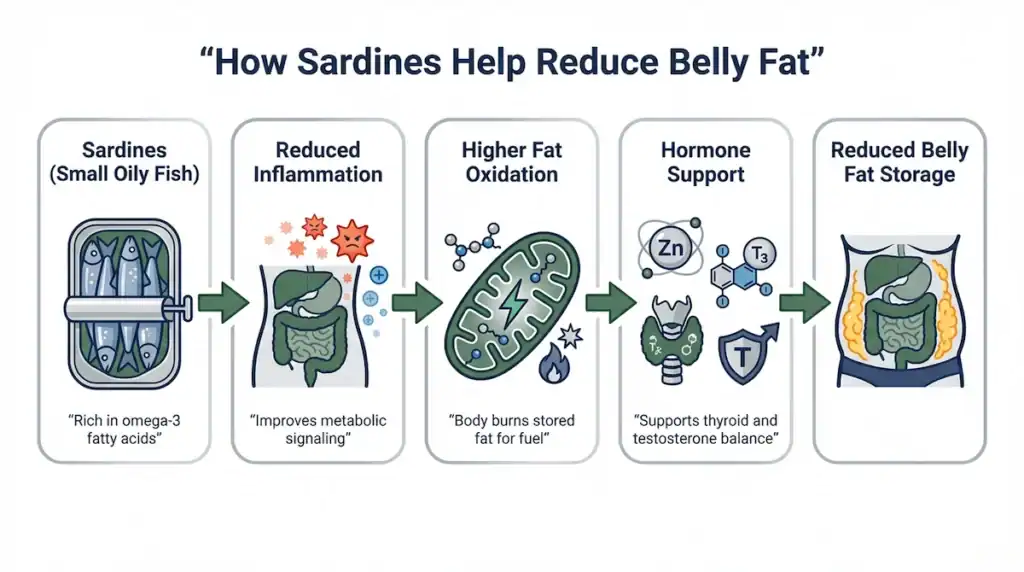
Canned sardines, oysters, and tuna are the most underrated belly fat foods in the world. They’re shelf-stable, portable, and cheaper than almost any meal you grab on the go. And yet metabolically, they punch harder than most “premium” health foods.
They are essentially zero-carbohydrate, which means minimal insulin response and fat-burning enzymes remain active. The omega-3 fatty acids in sardines (EPA and DHA) directly increase fat oxidation rates, lower cortisol levels, and combat systemic inflammation, keeping visceral fat locked in place.
Just a few medium oysters deliver over 1000% of your daily B12, plus zinc and selenium. Both are mandatory for thyroid hormone production and conversion. A sluggish thyroid means a sluggish metabolism, and oysters fix that at the mineral level.
Sardines also counteract a sneaky hormonal problem. Visceral fat contains aromatase, an enzyme that converts testosterone into estrogen. The zinc in oysters acts as a natural testosterone protector, which pushes back against that cycle.
The crucial rule: Packed in water or 100% olive oil only. Many brands use soybean or sunflower oil, which are inflammatory seed oils that undo all the benefits.
Pick smaller tuna species like yellowfin over albacore. They’ll contain significantly less mercury. Also, look for BPA-free cans.
How to eat them: Sardines on sauerkjraut. Oysters with Dijon mustard. Tuna mixed with celery and avocado oil mayo. Fast, cheap, and super effective.
Apple Cider Vinegar
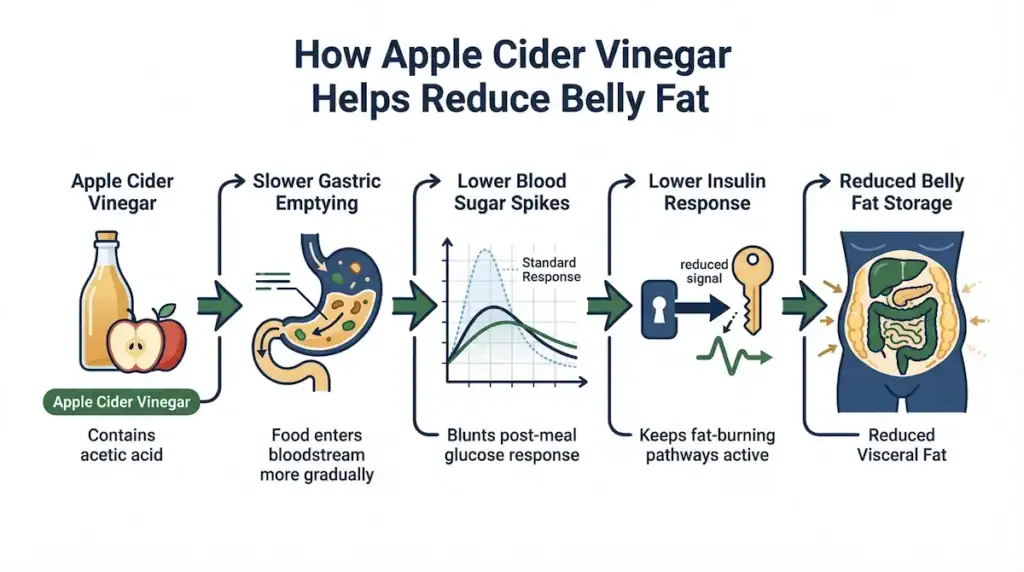
Apple cider vinegar isn’t a magic potion. But it does three things at once that most belly fat strategies have to address separately…
Acetic acid (ACV’s active compound) delays gastric emptying, which blunts post-meal blood sugar spikes and keeps insulin lower after carbohydrate containing meals.
Studies show consuming vinegar before a high-carb meal can reduce calorie intake by 200-275 calories for the rest of the day. This is purely through appetite suppression. That’s a big automatic deficit without having to count anything.
In a 2005 human trial published in European Journal of Clinical Nutrition, researchers found that adding vinegar to a high‑carbohydrate meal increased satiety and reduced later calorie intake. Subsequent reviews of vinegar‑acetic acid trials suggest that such pre‑meal vinegar can lower daily energy intake by roughly 200–275 calories.28
Acetic acid can also upregulate fatty acid oxidation enzymes in the liver. This directly suppresses new fat accumulation at the cellular level.
Raw, unfiltered ACV with the “mother” delivers liver probiotic cultures that improve gut health and insulin sensitivity over time.
ACV is also your best weapon against the hidden belly fat bandit in your kitchen… store-bought dressings. Most commercial dressings are seed oil plus sugar in disguise. Swap them for ACV-based homemade dressings, and you eliminate a daily source of inflammation without restricting a single calorie.
How to use it: 1-2 tablespoons daily, diluted in water before meals. Always raw, unfiltered, with the mother. Always use a straw when drinking it, since the acidity can damage tooth enamel.
Habits That Help Belly Fat Come Off Faster
Eventually, most people realize that you can’t escape a poor diet with just exercise. A slice of cheesecake is 500 calories, but it’ll take you an hour of running 5 miles just to burn that off.
Diet is the lever. But these habits determine how fast it works.
Protein First, Every Meal
I tell my clients always to prioritize their protein.
The protein leverage theory says your body will subconsciously drive you to keep eating until its baseline protein needs are met.
Research has found that ~0.8 grams of protein per pound of body weight per day is ideal for building and maintaining muscle mass. Use my protein calculator to find your daily protein needs instantly.
Protein is also satiating, so it’ll make you feel fuller for longer. It’ll also increase your metabolism since your body has to work harder to process it. About 20% of its calories are burned just to digest and absorb the nutrients.
If you have trouble meeting your daily protein needs, then consider taking a low-carb protein powder. It’s a fast and easy way to get a bountiful amount of protein in.
Strength Training
A pound of muscle burns up to 9 times more calories than a pound of fat at rest. The goal is to replace body fat with muscle fibers since they’ll vastly increase your resting metabolic rate.
Brief intense strength sessions at 10-30 minutes trigger testosterone and growth hormone release. This builds metabolically active muscle and keeps your metabolism elevated for up to 24 hours post-workout. But chronic cardio does none of that.
Strength training is vastly superior for long-term fat loss compared to cardio. Strength training is also significantly more appetite-suppressing than endurance training. This makes it much easier to sustain the caloric deficit needed to lose belly fat.
Use multi-joint full-body compound movements such as squats, lunges, rows, and push-ups. They’ll keep your metabolism in overdrive for up to 24 hours post-workout due to the Afterburn Effect.
Even light strength training improves your body’s ability to drive glucose into muscle tissue rather than storing it as belly fat.
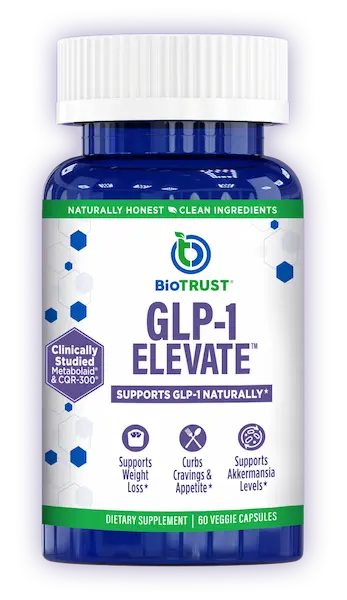
Trainer Josh Tip: Some people find it easier to control hunger and stay consistent when they support their metabolism and appetite hormones.
BioTRUST GLP-1 Elevate combines plant compounds that support healthy GLP-1 signaling. This is the same appetite-regulating pathway targeted by popular weight loss medications.
Drug‑free, natural plant-based GLP‑1 support for lasting appetite control & metabolic balance.
- Boosts GLP‑1 by 50%+ for enhanced satiety and fullness
- Slows GLP‑1 breakdown to extend appetite management
- Regulates ghrelin & leptin to curb cravings and stay satisfied
- Activates AMPK—your master fat‑burning switch
- Inhibits fat & carb enzymes to reduce calorie absorption
- Supports healthy blood sugar for steady energy and metabolic wellness
Sleep 7-9 Hours
In the long run, sacrificing sleep is one of the fastest ways to build belly fat. Getting enough adequate sleep is arguably one of the most critical factors for shedding belly fat.
Insufficient sleep severely dysregulates your metabolism by spiking cortisol, elevating ghrelin (the hunger hormone), and suppressing leptin (the satiety and fat-storage hormone). This hormonal chaos drives intense sugar cravings and forces your body to store calories as belly fat instead of burning them off.
The last one is from the cortisol connection. Lack of sleep causes your body to overproduce the stress hormone cortisol chronically. Cortisol specifically directs your body to pack fat around your internal organs, creating a bulging belly.
Cortisol also produces pro-inflammatory chemicals that instruct your body to build even more fat. And, your body primarily repairs and rebuilds its tissues while you sleep. So cutting this process short severely stalls your metabolic recovery.
To fix this, you must prioritize sleep by minimizing artificial light and digital screen stimulation after dark. Artificial light suppresses melatonin and tricks your body’s circadian rhythm into a summertime fat storage mode.
Getting 7-9 hours of sleep per night is mandatory for belly fat loss because sleep is your body’s primary anabolic state. This is when your body releases crucial muscle-repairing and fat-burning hormones, such as growth hormone and testosterone.
And at around midnight, a proper sleep cycle allows leptin to enter your hypothalamus, which signals your mitochondria to produce heat by burning your stored fat reserves.
Reduce Alcohol
To get the absolute most out of your belly fat burning potential… then it’s highly recommended to avoid alcohol. It might be a lot harder to lose the spare tire while drinking alcohol, hence the term “beer belly.”
Alcohol is an incredibly energy-dense substance and contains 6.9 calories per gram. This is almost as much as pure dietary fat, so even a few drinks can easily negate the calories burned during a grueling workout.
Alcohol calories are toxic to the bloodstream and are the first to be burned. This means your body must prioritize metabolizing them immediately, and as long as alcohol is being processed, then the burning of all other calories is put on hold. O,h and any carbohydrates or fats circulating in your system are highly likely to be stored as fat.
And as your body works to metabolize alcohol, it’ll churn out high levels of the stress hormone cortisol. This cortisol spike will not only raise blood sugar and degrade muscle protein, but it’ll also directly redistribute body fat from your legs and arms to your belly.
Alcohol slows your metabolism by depressing your central nervous system and producing acetate. This compound actively inhibits the burning of fats, carbohydrates, and proteins.
When your metabolism is damaged and struggling to provide your brain with energy, your body may use alcohol as a quick, blood-sugar-altering energy boost to relieve the uncomfortable symptoms of low brain energy.
But relying on alcohol or sugary beverages provides empty calories and keeps you trapped in a cycle of unnatural energy swings. This prevents your body from tapping into its own belly fat stores for fuel.
Alcohol also increases appetite and stimulates “the munchies” while giving you zero nutritional value. Alcohol also disrupts your sleep architecture. And you just learned that poor sleep actively drives fat stores towards your midsection and increases your hunger.
Develop Calorie Awareness
You have to be aware of how much you’re eating, but you shouldn’t starve yourself. Most people consistently underestimate their daily caloric intake by a massive 50%.
The calories-in, calories-out model of weight loss is essentially starvation dieting. It’s flawed and can make you obsessive. I’ve found in my 20 years as a personal trainer that this inevitably leads to burnout and rebound weight gain.
Excess calories are often hidden in unmeasured cooking oils, “calorie bombs” like nuts or butter (which are healthy but also incredibly dense in energy), and in the habit of eating directly out of large bags instead of portioning food.
As you lose belly fat, you must also be aware that your body becomes lighter and requires less energy to maintain itself. So if you lose 30 pounds, then your daily caloric requirement will also drop. But if you keep eating the same portion size you did at a heavier weight, then you’ll eventually stall and gain the weight back.
It might seem tedious, but briefly logging your diet helps you understand your baseline caloric needs and macro ratios. Remember that nutrient density matters far more than calorie density.
An example would be 100 calories of processed snacks provide inflammatory vegetable oils and starches that disrupt your metabolism, but 100 calories from a whole apple provide fiber and essential vitamins.
Focusing on foods that are both calorie-dense and nutrient-dense will prevent neuroendocrine alterations. This includes disruptive thyroid and testosterone levels that can occur when you exercise heavily but do not fuel your body with empty calories.
Click the button below to get my list of the best belly fat burning foods.
Why Belly Fat Increases After 40
Key Takeaways:
- Muscle loss (not aging) drives metabolic slowdown; losing 6 lbs of muscle per decade directly lowers your calorie burn.
- Visceral fat contains aromatase, which converts testosterone to estrogen, accelerating both muscle loss and fat gain.
- Insulin resistance lowers the thermic effect of food, making your metabolism less efficient at the cellular level.
As a personal trainer, I’ve heard from so many people who’ve told me their bodies have gone to mush after 40. But you didn’t suddenly get a slow metabolism at 42… what you got was the compounded results of years of muscle loss, hormonal disruption, and insulin resistance.
They all hit at once. Here’s what’s actually happening under the hood…
Muscle Loss Is the Real Metabolic Culprit
Belly fat accumulation in your 40s and beyond is mostly driven by sarcopenia (muscle loss). A sedentary lifestyle and poor nutrition primarily cause this… and not just simply getting older.
Without resistance training and enough protein,n you’ll lose about 6 pounds of muscle per decade after age 30. One pound of muscle burns up to nine times more calories than a pound of fat at rest.
So having less muscle mass means your body is less capable of burning fat. This is because muscle tissue actively mobilizes stored fat while you’re resting.
Muscle mass largely dictates your basal metabolic rate. So, losing muscle as you age will directly decrease your resting energy expenditure. This makes it way easier to overeat and gain belly fat inadvertently.
Your skeletal muscles make up 30-40% of your body mass and act like “glucose sinks.” They soak up toxic glucose from your bloodstream.
But when you lose this metabolically active muscle tissue, then your resting metabolic rate significantly drops.
Weakened abdominal muscles physically allow your intestines and internal organs to spill outward, which causes the “beer belly” look.
Insulin Resistance
Belly fat increases over time are also largely due to decades of accumulating highly unstable polyunsaturated fatty acids (PUFAs) from industrial vegetable oils in your tissues.
This long-term buildup leads to severe oxidative stress, mitochondrial damage, and systemic inflammation. Over the years, this has driven insulin resistance.
The older you get, the more negative the effects of a high-carbohydrate intake become. Decades of following the Standard American Diet have forced your body to overproduce insulin to clear sugar from your bloodstream chronically.
Over time, this constant barrage causes your muscle and liver cells to downregulate their receptor sites, leading to insulin resistance. So they have a “No Vacancy” sign and refuse to accept nutrients.
To compensate, your pancreas then pumps out even more insulin. Insulin is a storage hormone, so these chronically elevated levels completely shut off your body’s ability to access and burn stored energy. So it has ruthlessly locked away those excess calories as visceral belly fat.
Insulin resistance drives a destructive cycle of chronic inflammation and elevated blood sugar. This impairs your nutrient partitioning and directs excess calories towards fat storage.
It also actively decreases your daily energy expenditure by lowering the thermic effect of food (calories your body burns just to digest)… making stubborn belly fat even harder to burn off.
Menopause
For women entering perimenopause and menopause, the fluctuating estrogen and progesterone levels alter brain chemistry and energy balance. Fluctuations in these hormones can make women more susceptible to systemic inflammation, thyroid dysfunction, and adrenal fatigue.
These natural hormonal shifts combine with preexisting insulin resistance to severely exacerbate mood swings, energy crashes, and the buildup of belly fat. When the endocrine system is constantly subjected to these stresses, then the body works hard to protect its fat stores by directing calories to the midsection.
Decades of yo-yo dieting, severe caloric restriction, and overly stressful exercise regimens interfere with healthy female hormone balance. They can prompt the body to default to fat-storage mode as a protective mechanism to help it survive.
Estrogen promotes the formation of fat tissue, and progesterone protects against it. This age-related imbalance creates a state of “estrogen dominance.”
Once this dominance happens, the fat rapidly accumulates and becomes highly resistant to weight loss. Also, during menopause, the body stops producing the corpus luteum… this structure is responsible for the monthly surge of progesterone that balances estrogen. This further drives stubborn weight gain.
Testosterone
At around the age of 50, men start to experience “andropause.” A significant decrease in testosterone accompanies this.
In men, this decline is associated with decreased muscle mass, increased fat accumulation, and a higher risk of obesity. And with this new build-up of body fat itself… fat tissue produces aromatase enzymes that actively convert testosterone into estrogen.
Insulin resistance and high-sugar diets can literally “gum up” testosterone receptors on cells. This renders them less responsive to testosterone. The metabolic damage from toxic seed oils and high insulin levels also contributes to low testosterone production.
But testosterone decline is also a major culprit for belly fat in women too. Testosterone is a powerful anti-aging hormone that enhances lipolysis (fat breakdown) and builds muscle in the female body. When women reach menopause, they may only have half the testosterone level they had in their 20s… this contributes to weight gain.
3 Common Belly Fat Loss Mistakes
Calorie Counting & Portion Control
Calorie counting feels logical… but it’s also one of the main reasons people spin their wheels for months and get nowhere on getting rid of the belly fat.
Here’s the problem: not all calories are processed equally. If your portions are smaller but you’re still eating refined carbs and processed foods, then insulin stays elevated.
And as long as insulin is high, your body is biomechanically locked out of its own fat stores. You create the energy deficit… but your body just fills it by stripping lean muscle tissue instead of burning belly fat.
That process is called gluconeogenesis. Cortisol spikes, breaks down muscle protein, and converts it to glucose. You lose the metabolically active tissue you need to burn fat long-term, all while visceral fat stays exactly where it is.
It gets worse… severe calorie restriction without first becoming fat-adapted signals a famine. Your resting metabolic rate drops to compensate. You eat less, burn less, feel miserable… and the moment willpower breaks you’ll regain everything faster than you lost it.
The fix isn’t just fewer calories, but it’s lower insulin.
Eliminate refined grains, sugars, and industrial seed oils that drive the insulin problem. Once insulin normalizes, your appetite self-regulates. Your body starts pulling from stored belly fat to meet its own energy needs.
This is metabolic flexibility… and it’s what actually works.
Snacking & Too Many Small Meals
Eating every 2-3 hours to “keep your metabolism stoked” is one of the most repeated pieces of diet advice.
It’s also what’s keeping the belly fat locked.
Here’s the reality: every time you eat (even a small, “clean” snack), you trigger an insulin release. And as long as insulin is elevated, then your body’s fat-burning enzymes are switched off. You’re running entirely on the calories you just ate and not the belly fat you’re trying to lose.
Do this 6 times a day, and you’ll never give your body an uninterrupted window to access its stored fat. You’re essentially keeping the fat-storage door locked from open to close.
Frequent eating also trains your stomach and metabolism to expect constant food. That’s not a faster metabolism… that’s manufactured hunger. The cravings you feel at 3 pm aren’t your body’s need for fuel. But they’re a conditioned response you created by snacking at 3 pm yesterday.
The fix is letting insulin drop between meals. Longer gaps mean more time in fat-burning mode. Fewer eating occasions mean fewer insulin spikes.
2-3 satisfying, protein- and fat-rich meals. No snacks. Let your belly fat actually do its job by fueling you between meals.
Doing the Wrong Exercise
If you’ve been grinding through cardio sessions and grinding out crunches with nothing to show for it… this is why.
Chronic cardio backfires. When you burn a lot of calories during long, depleting runs or elliptical sessions, your brain compensates by ramping up your appetite. It specifically wants quick-energy carbohydrates while quietly reducing your movement the rest of the day.
Research shows that only about 72% of calories burned during exercise translate into a net daily deficit. Your body erases the rest.
And worse… prolonged endurance training tells your genes to shed metabolically expensive muscle and hoard body fat as a fuel reserve. That’s the “skinny fat” trap… you’re smaller everywhere except the belly, where it hangs on stubbornly.
Here’s the kicker with ab exercises: heavy core training builds the underlying muscle… but this can actually push the overlaying fat outward and thicken your waist.
Crunches don’t burn belly fat. They build the muscle under the belly fat. Spot reduction doesn’t work. A flat stomach results from reducing overall body fat, not just targeting your midsection.
The fix: Brief, intense strength training over chronic cardio. Build muscle, raise your metabolic rate, and let the diet do the heavy lifting on fat loss. Be sure to see my best exercises to lose belly fat.
Eating the Wrong “Healthy” Foods
Eating clean doesn’t automatically mean that you’re eating for fat loss. Some of the most common belly fat mistakes happen inside a health food store.
The health halo trap. Whole grains, oatmeal, fruit smoothies, protein bars, and low-fat fruit yogurts all get marketed as healthy… but every one of them provokes a significant insulin response. Insulin blocks belly fat burning. Eat these foods consistently, and your body never gets the hormonal signal to release stored belly fat.
Seed oils are the hidden saboteur. Canola, safflower, sunflower, soybean… these inflammatory seed oils are in commercial dressings, packaged snacks, and most restaurant food. They cause systemic inflammation that makes fat cells resistant to dying and actively promotes insulin resistance. A “healthy” salad drenched in store-bought dressing can deliver 500 calories of pure inflammatory oil without making you one bit fuller.
Artificial sweeteners backfire, too. The sweet taste alone signals your brain that energy is incoming, triggering fat-storage hormones before a single calorie arrives. You get the insulin response without the food… and intense cravings shortly after.
Liquid calories are invisible. Juices, sweetened coffees, and sodas deliver significant energy but have no satiety effect. They don’t register as food. They just spike insulin and keep belly fat locked in.
Read labels. The ingredient list matters more than the front-of-package claim.
How Long Does It Actually Take to Lose Belly Fat?
There’s no universal timeline. But there is a realistic framework… and it’s more encouraging than most people expect.
Visceral fat drops first. Because it’s highly metabolically active, your body prioritizes clearing the dangerous fat packed around your organs once insulin normalizes. You may not see dramatic changes in the mirror immediately (subcutaneous fat takes longer), but internal health improvements happen fast—better blood flow, reduced inflammation, more energy. The outside will catch up.
Realistic rates matter. Pushing your deficit too aggressively causes muscle loss… not faster fat loss. A sustainable target is 1–1.5% of total body weight per week, depending on your starting point. The first 21 days of eliminating seed oils, grains, and refined sugar can produce 10–15 pounds of total loss… 3–7 pounds actual fat, the rest inflammation and stored glycogen.
Fat adaptation takes time. Your body begins shifting toward fat burning within 3–7 days of reducing carbohydrates. Significant metabolic efficiency arrives around 10–14 days. Full-fat adaptation (burning stored fat effortlessly during exercise) takes 1–2 years of consistent eating.
Plateaus are normal, not failure. Your brain needs time to accept a smaller body as safe before releasing more fat. Stay consistent. Don’t slash calories. Keep insulin low.
Small steps, repeated daily, over months. That’s the protocol. Gotta trust the process.
